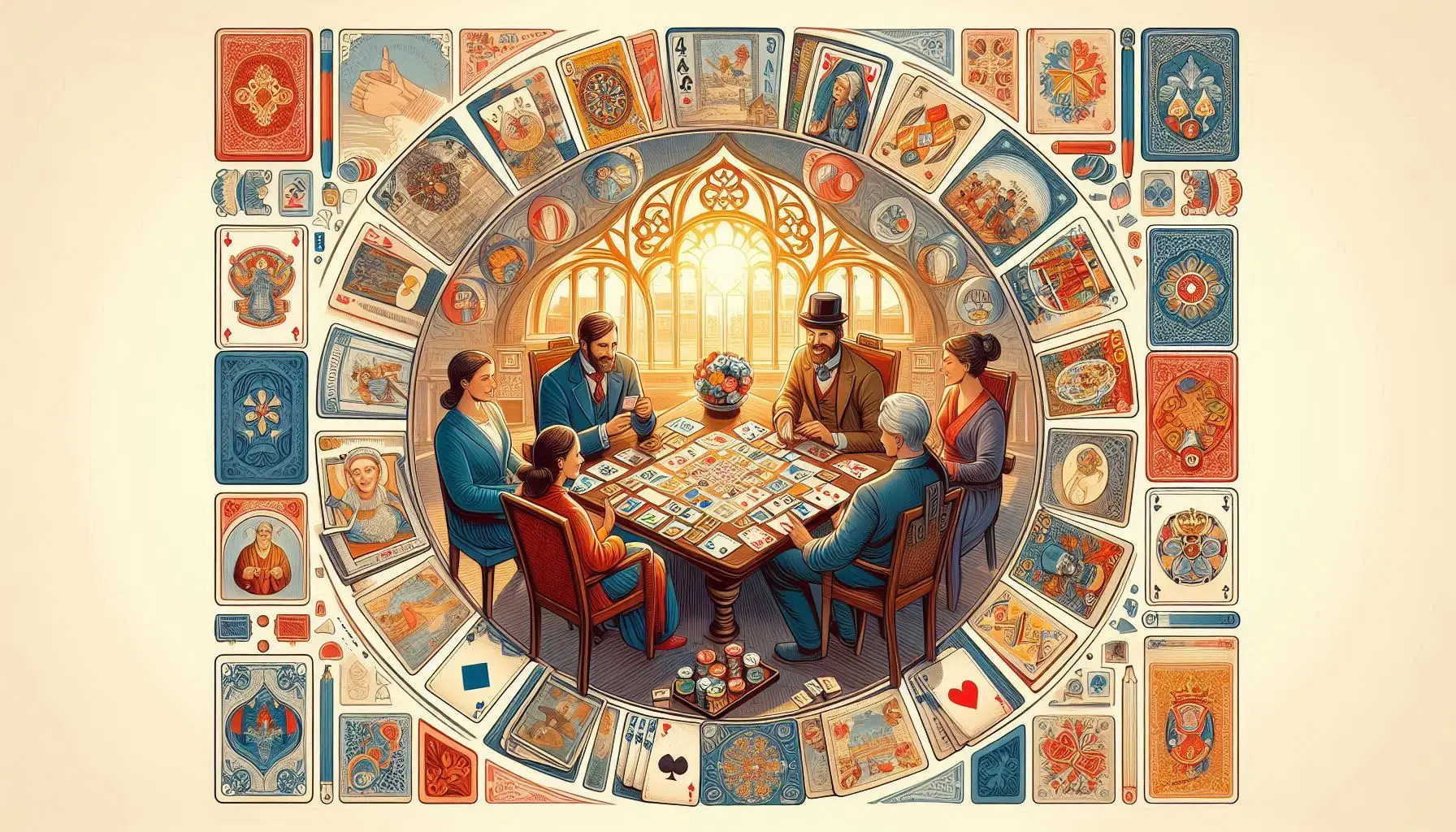
preservationpittsburgh.org – Card games have a long and storied history in Europe, with deep roots that go back centuries. From the earliest games played in the royal courts to the more casual games enjoyed by families, Europe has been a hub for card game innovation. Whether you’re interested in understanding the history, exploring regional variations, or discovering popular games for small groups, there’s a wealth of card-playing culture to appreciate.
The Origins of Card Games in Europe
Card games are believed to have arrived in Europe from the Islamic world in the 14th century, after being brought by traders and travelers. The earliest decks were hand-painted and often used for fortune-telling or as a pastime for nobility. Over time, card games spread to common people and became a fixture of social gatherings, including gatherings in the homes of the middle class.
By the 15th century, European card games had evolved into distinct variations, with specific regions developing their own unique versions. The French, for example, are credited with standardizing the deck of 52 cards that is used in most modern games today. Throughout the years, card games like Poker, Bridge, and Rummy became staples in European culture, with each country adapting the rules to fit its own social and cultural norms.
Popular Card Games in Europe
Europe is home to a variety of card games, many of which have become beloved worldwide. Some of the most popular European card games include:
-
Whist: A classic trick-taking game that originated in England, Whist is the predecessor to games like Bridge. It’s often played in partnerships, making it a great choice for larger groups.
-
Piquet: A two-player card game that originated in France, Piquet is known for its deep strategy and is considered one of the most challenging card games to master.
-
Euchre: Popular in parts of Europe, Euchre is a trick-taking game played with a smaller deck and is known for its fast-paced play.
These games have become ingrained in European card-playing culture, and each region has its own version or variation of these games, reflecting local preferences and traditions.
The Rise of 3 Player Card Games in Europe
While many traditional European card games are designed for larger groups, the demand for 3 player card games has risen due to their ideal balance of competition and social interaction. Whether you’re playing a casual card game at home or with friends, games designed for three players are a fantastic way to engage in friendly competition without requiring a large group.
3 player card games work especially well because they encourage more direct interaction between players, ensuring that everyone stays actively involved throughout the game. Classic games like Hearts and Spades can be easily adapted to accommodate three players, maintaining the excitement and strategy without losing the essence of the original game. Additionally, simple card games like Go Fish and Old Maid are perfect for casual settings where the focus is on fun rather than competition.
Why Europeans Love Card Games
Card games have always played a significant role in European social life. They are not just about competition, but also about socializing. In many European countries, playing cards is a popular pastime during holidays and family gatherings, where people of all ages come together to enjoy a shared activity. The relaxed atmosphere, combined with the fun of the game, creates lasting memories and strong social bonds.
Card games with friends also serve as a great way to pass the time during long trips or on rainy afternoons. Whether you’re in a small village in Italy or a bustling café in Paris, card games are the perfect way to connect with others and enjoy a few hours of light-hearted fun.
Regional Variations of Card Games in Europe
While many European card games are similar in concept, each country has its own way of playing and enjoying them. For example, the Scandinavian countries are known for games like Skat, a trick-taking game that is often played in the region. Meanwhile, in Italy, Briscola is a popular trick-taking game, often played with a 40-card deck.
These regional variations not only give insight into the local culture but also offer unique twists on the traditional card games that have been passed down for generations. It’s one of the reasons why European card games remain so fascinating to this day—each country has its own distinct interpretation of the game, giving players the opportunity to explore different playing styles and strategies.
The Impact of Digital Platforms on European Card Games
In recent years, the digitalization of card games has opened up new ways for people to enjoy these games. Online platforms now allow Europeans to play their favorite card games with friends or strangers across the globe. Games like Bridge, Poker, and Hearts have gained huge popularity on mobile apps and online sites, making it easy for players to practice and compete anytime, anywhere.
This shift has brought European card games into the digital age while maintaining their traditional charm. Many platforms offer the option to play 3 player card games digitally, making it easier for players to enjoy a quick round with friends, even if they’re far away. Digital card games also introduce new challenges, such as AI opponents and multiplayer modes, which keep the experience fresh and exciting.
Final Thoughts on Card Games in Europe
Europe’s rich history of card games has left a lasting legacy that continues to evolve. From the royal courts of the 14th century to modern-day social gatherings, card games in Europe have always been a part of the cultural fabric. Whether you’re interested in traditional games like Whist or looking for 3 player card games to enjoy with friends, there’s a game to suit every group and every occasion.
The beauty of European card games lies in their versatility, social appeal, and the deep history that underpins them. Whether played in person or online, card games remain a timeless way for friends and families to connect, compete, and have fun.